
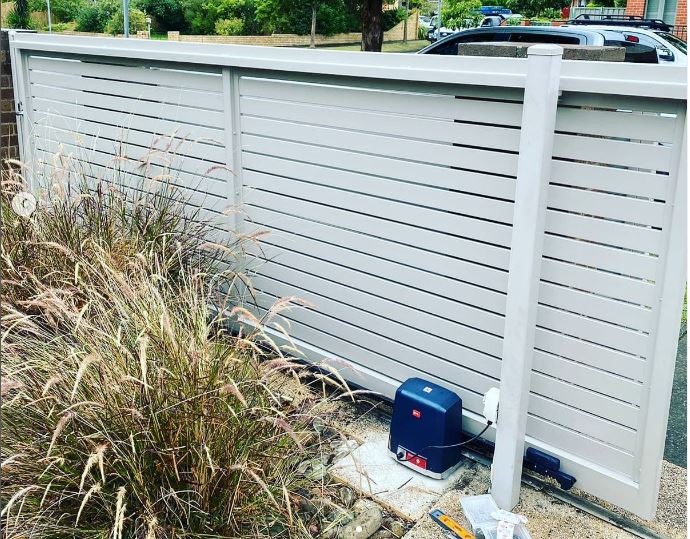
Residential automatic gates are no longer a luxury reserved for prestige properties. Across Melbourne, from Bentleigh and Essendon to Templestowe and beyond, property owners are choosing automated gate systems for security, convenience, and long-term value. Whether you are considering a sliding gate on a narrow driveway or a double swing gate across a wide suburban frontage, understanding your options before installation saves money and prevents poor decisions. This guide covers everything Melbourne homeowners and commercial property owners need to know in 2026 — gate types, automation systems, materials, costs, maintenance, and how to choose a qualified local installer.
Why Melbourne Properties Benefit From Gate Automation
Melbourne’s suburban layout creates ideal conditions for gate automation. Many inner and middle-ring suburbs have tight street frontages. Others have longer driveways where remote access becomes genuinely practical every single day. Additionally, Melbourne’s mix of older period homes and newer contemporary builds means gate styles must work across very different architectural contexts.
Security awareness has also grown considerably. Visible access control is a meaningful deterrent to opportunistic property crime across Melbourne. A quality automated gate signals that a property is actively secured. Beyond security, automated access means residents avoid leaving their vehicles to open gates manually — a real daily convenience that compounds in value over time.
Melbourne’s climate adds another layer of consideration. UV radiation on clear summer days is among the highest recorded globally. Coastal suburbs from Port Melbourne to Frankston face salt-laden sea breezes that accelerate surface degradation on untreated metals. Therefore, material selection for any outdoor gate must account for Melbourne’s specific environmental conditions, not just visual preferences.
Melbourne Climate Note: Powdercoated steel and aluminium are the practical standard for automated gates across Melbourne. Both materials resist UV damage, resist corrosion, and maintain structural integrity across Melbourne’s temperature range. Untreated steel or raw timber should not be used for automated gate structures exposed to Melbourne’s outdoor conditions year-round.
Types of Residential Automatic Gates Available in Melbourne
Choosing the right gate type starts with your specific site. Driveway width, available side clearance, ground slope, and frontage design all influence which gate configuration performs best. Melbourne properties present enormous variety, so understanding gate types helps match the right solution to each individual site.
Automatic Sliding Gates
Sliding gates travel horizontally along a track, requiring clearance beside the driveway opening for the gate panel to slide into. They suit properties with level ground and sufficient side space. Consequently, automatic sliding gates in Melbourne are popular on suburban driveways where a swing gate’s arc would conflict with parked vehicles or footpath proximity.
Cantilever sliding gates remove the bottom track entirely. They are supported from above using counterbalanced rollers. This makes them ideal for gravel driveways, uneven surfaces, or properties where a ground track would create a trip hazard or drainage problem. Furthermore, cantilever systems handle wear better in high-cycle commercial environments.
Sliding gate motors typically use a rack-and-pinion drive system. The motor engages a rack fitted to the gate frame. Cycle speeds, torque ratings, and duty cycles vary significantly between residential and commercial-grade motors. Therefore, matching the motor to gate weight and expected daily usage is always critical.
Automatic Swing Gates
Swing gates open inward or outward like a door, pivoting from a fixed post. They work well on wider driveways where the swing arc fits safely within the available space. A double swing gate creates a symmetrical, high-end appearance that suits prestige properties and period homes in suburbs like Essendon, Templestowe, and Brighton.
Automatic swing gates in Melbourne can use arm actuators mounted to the post and gate frame, or underground linear actuators that remain hidden beneath the surface for a cleaner visual result. Underground systems cost more initially but significantly improve the finished aesthetic outcome.
However, swing gates require more ground clearance in front of the opening. They should not be installed on sloped driveways without careful professional assessment, as the gate arc may drag on a rising surface. Additionally, inward-swinging gates require that the driveway area inside remains clear during every gate operation cycle.
Side Gates
Side gates secure pedestrian access points beside the main gate structure. Many Melbourne homeowners choose matching Colorbond side gates, aluminium side gates, or steel side gates that complement both the driveway gate and boundary fencing. A complete perimeter approach — where the driveway gate, side gates, and boundary fencing all share consistent materials and finishes — creates a cohesive security solution and significantly improves overall property presentation.
Gate Automation Systems Explained
The motor is only one component of a complete gate automation system. Understanding all elements helps Melbourne property owners make well-informed decisions and avoid paying for features they do not need — or missing safety features they genuinely require.
Gate Motors and Control Systems
Gate motors are rated by gate weight, gate width, and duty cycle. Duty cycle describes how frequently the gate can operate before the motor requires rest. Residential motors typically handle 15 to 30 cycles per hour comfortably. High-traffic properties — such as small commercial premises, medical clinics, or properties with multiple residents — require motors rated for heavier and more sustained duty cycles.
Modern gate motor systems support multiple control options. Remote handsets, smartphone apps, GSM modules, and FOB reader systems all integrate with current motor control boards. GSM-based control allows gate operation via mobile phone call or SMS, which suits properties without stable Wi-Fi coverage at the gate location.
Safety Systems
Australian Standards require that automated gates include appropriate safety measures. This requirement is not optional. Safety PE beam systems use infrared beams across the gate opening. If the beam breaks during gate travel — due to a person, pet, or vehicle in the path — the gate stops and reverses immediately. Additionally, safety loop detectors buried beneath the driveway surface detect vehicle presence and prevent the gate from closing onto a vehicle.
These safety systems are particularly important for families with young children or pets. Any automated gate installation that omits them does not meet Australian safety requirements. Always confirm your installer includes properly calibrated safety systems as an absolute standard — not as an optional upgrade.
Intercom and Access Control
Gate intercom systems allow visitors to communicate with the property owner before entry is granted. Video intercoms have become the standard preference across Melbourne, offering visual verification via a smartphone app from anywhere in the world. This proves especially useful for properties where the gate is not directly visible from the main living areas.
Access control integration expands further into keypad entry, proximity card systems, and full property management solutions for commercial sites. For most residential applications, a quality intercom paired with remote handsets covers all practical access needs reliably and affordably.
Gate Materials: Choosing What Suits Melbourne Conditions
Material choice affects durability, maintenance requirements, visual appearance, and total cost across the gate’s entire lifespan. Melbourne’s climate — UV intensity, coastal salt exposure in many suburbs, and significant temperature variation — means that material performance outdoors matters greatly when making this decision.
| Gate Material | Durability in Melbourne | Maintenance Level | Typical Application |
|---|---|---|---|
| Powdercoated Steel | Excellent | Low | Residential and commercial gates, heavy-duty applications |
| Aluminium | Excellent | Very Low | Coastal suburbs, lightweight residential gates, decorative designs |
| Colorbond Steel | Very Good | Low | Side gates, boundary gates, residential fencing integration |
| Timber | Moderate | High | Decorative residential side gates with adequate shelter from elements |
Steel gates offer the highest strength-to-cost ratio and suit properties requiring heavy-duty security performance. Aluminium gates suit coastal Melbourne suburbs where salt exposure is frequent, as aluminium does not rust. For properties with existing Colorbond fencing, matching Colorbond side gates creates a clean, consistent perimeter appearance that reads as intentional and well-considered.
Residential vs. Commercial Automatic Gates in Melbourne
While residential and commercial automated gates share many core components, key differences affect product selection and installation approach significantly. Commercial sites typically experience far higher daily cycle counts. A busy commercial entry might operate 100 or more cycles per day, compared to 10 to 20 on a typical residential driveway.
Consequently, commercial automatic gates in Melbourne use heavier-duty motors, reinforced gate structures, and often integrate with boom gates, vehicle detection systems, and managed access platforms. Industries such as warehousing, logistics, manufacturing, healthcare, and education all require gates built specifically for this level of operational intensity.
Commercial security gates in Melbourne also address specific compliance requirements. Fencing and access control at commercial sites may need to meet Australian Standards, particularly around worker safety and managed public access. A contractor with genuine commercial fencing experience understands these requirements and ensures every installation meets them from day one.
Heavy-duty steel gates are commonly specified for industrial sites, warehouses, and high-security commercial properties. These gates incorporate significantly thicker steel sections, reinforced hinges or rollers, and motors rated for continuous operation rather than the intermittent demands of residential use.
Commercial Fencing That Complements Automated Gates
An automated gate is only as effective as the fencing surrounding it. A secure gate with an easily breached fence line creates a false sense of security. Melbourne commercial properties commonly combine automated gate systems with purpose-built perimeter fencing for a genuinely complete access control solution.
Chain mesh fencing in Melbourne remains a leading choice for commercial and industrial sites. It is economical, highly durable, transparent for sightlines, and quick to install across large perimeters. Schools, factories, sporting facilities, and transport depots across Melbourne rely on chain mesh as their primary boundary fencing solution.
Commercial fencing in Melbourne extends to security chain mesh, speartop tubular fencing, top-and-bottom rail systems, and industrial perimeter fencing. Each system addresses specific security levels and site conditions. Matching gate and fencing specifications ensures consistent security performance across the entire boundary perimeter.
Residential Fencing Options That Work With Automated Gates
For residential properties, the gate and fencing combination shapes both security outcome and streetscape appearance. Melbourne homeowners can choose from a wide range of fencing options that integrate seamlessly with automated gate systems for a polished final result.
Colorbond fencing is the most widely specified residential boundary fence across Melbourne. It comes in a broad colour range, suits all suburban architectural styles, and pairs naturally with Colorbond or powdercoated steel gates. Residential fencing and gates that share consistent materials and colour always create the cleanest and most professional visual outcome.
Aluminium fencing — including blade vertical slat designs, tubular styles, and fins fence configurations — suits contemporary homes and front boundary applications where partial visibility into the property is preferred. Aluminium battens and architectural screening also allow creative design solutions that standard Colorbond simply cannot achieve.
Timber fencing remains popular for rear and side boundary applications in Melbourne, particularly where a natural aesthetic is preferred. However, timber requires considerably more maintenance than steel or aluminium alternatives. It is generally not the best structural match for high-cycle automated gate frames that depend on long-term dimensional stability.
Gate Automation Across Different Melbourne Suburbs and Property Types
Melbourne’s suburbs vary considerably in property size, frontage width, architectural style, and council planning requirements. A gate and automation solution suited to a Templestowe family home on a generous block differs significantly from one suited to a Bentleigh townhouse on a compact street frontage.
In areas like Templestowe, larger block sizes typically allow for double swing gates with generous swing arcs and underground actuators for a premium finished appearance. By contrast, Bentleigh installations often suit cantilever sliding gates where narrow frontages and footpath proximity rule out swing configurations entirely.
Essendon properties frequently feature period-style homes where gate design needs to complement heritage architecture without appearing out of character. Custom-fabricated aluminium or steel gates with appropriate design details integrate far more naturally than standard off-the-shelf panel designs in these contexts.
Understanding these suburb-specific considerations is part of what a quality Melbourne gate installer brings to every project. Thorough site assessment — not just product supply — defines the difference between a gate that works well for 20 years and one that creates ongoing operational problems.
What the Gate Installation Process Involves
A complete gate installation in Melbourne involves several distinct stages. Understanding the process helps property owners prepare their site and set realistic expectations before work begins.
- Site Assessment: Measuring the opening, assessing driveway surface and slope, checking electrical supply location, and confirming clearance requirements for the chosen gate type.
- Gate Fabrication or Procurement: Custom gate panels are fabricated to site measurements. Standard panels may suit straightforward openings. Powdercoat or anodised finishes are applied before delivery to site.
- Post and Foundation Work: Gate posts need concrete footings sized appropriately for gate weight and motor forces. This stage is critical — undersized footings cause post movement that affects gate alignment progressively over time.
- Motor and Hardware Installation: The motor is mounted, rack or actuator arm is fitted, limit switches are set, and control wiring is run to the control board. Safety beams and loop detectors are installed at this stage as standard.
- Intercom and Access Control: Intercom wiring, keypad or FOB reader installation, and GSM or smart control module configuration occur after motor commissioning is complete.
- Testing and Safety Verification: The complete system is tested across multiple operating cycles. Safety beam and loop detector function is verified thoroughly. Force sensitivity is adjusted to meet Australian safety standards before handover.
Total installation time for a residential automated gate ranges from one to two days for a standard project. Complex custom installations or commercial-scale projects may require additional time. Arranging electrical supply access in advance of the installation day avoids unnecessary delays and keeps the project on schedule.
Maintenance: Keeping Your Automated Gate Running in Melbourne’s Climate
Automated gates require periodic maintenance to operate safely and reliably across their full lifespan. Melbourne’s weather — heat, intense UV exposure, occasional storms, and coastal salt in relevant suburbs — all affect gate components over time. A basic maintenance schedule significantly extends both gate structure and motor lifespan.
- Every 6 months: Lubricate sliding gate rack and rollers with appropriate gate grease. Check hinge condition on swing gates. Clear debris from roller tracks. Inspect safety beam alignment and verify beam function. Check all fastener tightness across post and gate hardware.
- Annually: Full motor and control board inspection by a qualified technician. Check limit switch settings. Inspect powdercoat or paint finish for chips or early corrosion points. Test all access control functions. Review battery backup condition if fitted.
- As required: After Melbourne storm events, inspect tracks and rollers for debris. Check posts for any movement. Verify intercom function. Test all remote handset battery life and replace as needed.
A gate that receives basic maintenance every six months costs far less over a decade than one that only receives attention when something fails. Motor replacements, post realignment, and track repairs all cost significantly more than routine preventative servicing.
Understanding Gate Automation Costs in Melbourne
Cost transparency is one of the most common pain points for Melbourne property owners researching automated gates. Pricing varies widely based on gate size, material, motor grade, access control features, site conditions, and required groundwork. However, general cost ranges help buyers understand what to expect before requesting formal quotes.
| Gate Type and Configuration | Approximate Cost Range (Installed) |
|---|---|
| Single residential swing gate with basic motor | $3,000 – $5,500 |
| Double residential swing gate with motor | $5,000 – $9,000 |
| Residential sliding gate with motor | $4,500 – $8,500 |
| Cantilever sliding gate with motor | $6,000 – $11,000 |
| Commercial sliding or swing gate with heavy-duty motor | $8,000 – $20,000+ |
| Intercom system addition | $800 – $2,500 |
| Safety PE beam and loop detector package | $400 – $900 |
These ranges reflect typical Melbourne market pricing as of mid-2026. Specific site conditions, material upgrades, and custom fabrication requirements will affect the final installed price. Always request detailed, itemised quotes from qualified Melbourne installers before committing to any project.
How to Choose a Gate Installation Contractor in Melbourne
Not all gate installers operate to the same standard. Choosing poorly costs considerably more in the long run through callbacks, safety failures, and premature component failure. Melbourne property owners should verify several things before committing to any installer.
- Confirm the installer holds the appropriate licences for electrical wiring associated with motor and control systems.
- Ask specifically whether safety PE beams and loop detectors are included as standard — not offered as optional extras at additional cost.
- Request examples of completed installations, including both residential and commercial projects where relevant to your needs.
- Confirm the installer uses motors and components from reputable brands with available local parts support in Melbourne.
- Check whether the warranty covers both the gate structure and the automation components as separate items with clear terms.
- Confirm post-installation support availability — understanding the response process for after-hours issues is important before signing any agreement.
Additionally, confirm your Melbourne council’s requirements for gate height, street boundary setback, and any heritage overlay considerations if your property sits within a designated heritage precinct. The Victorian Department of Transport and Planning provides planning scheme resources that clarify local requirements clearly. Similarly, Consumer Affairs Victoria outlines homeowner rights regarding contractor standards and residential building work.
Property Value Impact of Automated Gate Installation
Melbourne’s property market remains highly competitive across most price brackets. Quality automated gate installation contributes positively to property value in several measurable ways. First, it increases kerb appeal — the gate is among the very first elements a visitor or prospective buyer encounters. Second, it signals active security investment, which Melbourne buyers increasingly value. Third, well-specified automation adds a practical daily-use lifestyle feature that modern buyers expect at mid-to-upper market price points.
Real estate professionals operating across Melbourne’s inner and middle-ring suburbs consistently note that properties with quality gate automation present more competitively than those without. Furthermore, properties where fencing, gates, and automation share cohesive design — through matched materials and consistent finishes — attract stronger buyer interest than those with mismatched or poorly maintained access points.
Commercial property owners benefit from gate automation investment through improved tenant satisfaction, reduced unauthorised access incidents, and stronger lease appeal for security-conscious tenants. Commercial fencing in Melbourne combined with automated access control is a recognised site improvement that supports commercial property value over the long term.
Frequently Asked Questions About Residential Automatic Gates
How much does an electric gate cost for a house?
In Melbourne, a residential electric gate typically costs between $3,000 and $12,000 fully installed. Pricing varies by gate type, material, motor grade, and access control features selected for the project.
What is the average cost for an electric gate?
The average cost for a residential electric gate in Melbourne sits around $5,000 to $8,000. This typically includes the gate structure, motor, safety systems, and basic intercom integration as a complete package.
How much do automated gates cost?
Automated gate costs in Melbourne range from approximately $3,500 for a basic single swing gate with motor to over $15,000 for heavy-duty commercial sliding gates with full access control integration.
What is the average cost of installing an electric gate?
Installation alone typically adds $800 to $2,500 to the gate cost. Site conditions, driveway surface, electrical supply proximity, and required groundwork all influence the installation component of the total price.
What are the common problems with outdoor gates?
Common issues include motor failure from UV exposure or moisture ingress, track misalignment on sliding gates, hinge wear on swing gates, intercom signal dropouts, and corrosion on untreated steel components. Regular servicing prevents most of these issues before they become costly failures.
Do I need planning permission to install electric gates?
In Victoria, electric gates on residential properties generally do not require a planning permit if they meet standard height limits and setback rules. Always confirm requirements with your local Melbourne council before proceeding, particularly if your property falls within a heritage overlay zone.
Do electric gates add value to a house?
Yes. Automated gates improve kerb appeal, security, and perceived property quality. Melbourne real estate professionals consistently report that quality gate automation influences buyer perception positively, particularly in mid-to-upper market properties across inner and middle-ring suburbs.
What is the lifespan of an automatic gate?
A well-maintained automatic gate in Melbourne typically lasts 15 to 25 years structurally. Motors generally have a lifespan of 10 to 15 years depending on daily cycle count, regular servicing history, and the level of weather exposure at the installation site.
Can I automate my existing gate?
Yes, in many cases an existing gate can be retrofitted with a motor and control system. A professional site assessment is needed first to confirm structural suitability and determine the appropriate motor type and sizing for the specific gate configuration.
What motor is best for a sliding gate?
The best motor depends on gate weight and daily cycle frequency. For residential sliding gates, a rack-and-pinion motor rated for the specific gate weight is the standard solution. Heavier commercial sliding gates require motors with higher torque ratings and sustained duty cycle capacity.
Are automatic gates safe for children and pets?
Modern automatic gates include safety PE beam systems and loop detectors that stop gate movement immediately when an obstruction is detected. These safety features are essential and must be installed with every automation system — treating them as optional extras is not acceptable practice.
How long does gate installation take?
A standard residential automated gate installation typically takes one to two days from start to completion. Larger commercial projects or custom fabrication work may require additional time. Pre-installation electrical preparation by the property owner speeds up the overall process considerably.
Conclusion: Making the Right Gate Decision for Your Melbourne Property
Residential automatic gates represent a long-term investment in security, convenience, and property value for Melbourne homeowners and commercial operators alike. Melbourne’s varied suburbs, climate conditions, and property types mean there is no single solution that suits every site. Instead, the right gate system emerges from a careful assessment of site conditions, usage requirements, material preferences, and realistic budget.
Choosing quality from the outset — in gate structure, motor selection, safety systems, and installation standard — reduces total cost significantly across the gate’s full lifespan. Cutting corners on motor grade, safety beams, or post foundations creates problems that cost far more to resolve than the initial saving. Moreover, a gate that operates reliably every day for 20 years delivers genuine, measurable value to the property and everyone who uses it daily.
SF Fencing has delivered residential automatic gates and complete fencing solutions across Melbourne for years. From sliding and swing gate automation to chain mesh commercial fencing, Colorbond boundary fencing, and custom metal fabrication, the team brings genuine site-specific knowledge to every project across the city.